

Explore Thai Culture Through Geographical Indication Products
- Published:
- Updated:
- By M2HomeHub
- 0 Comments
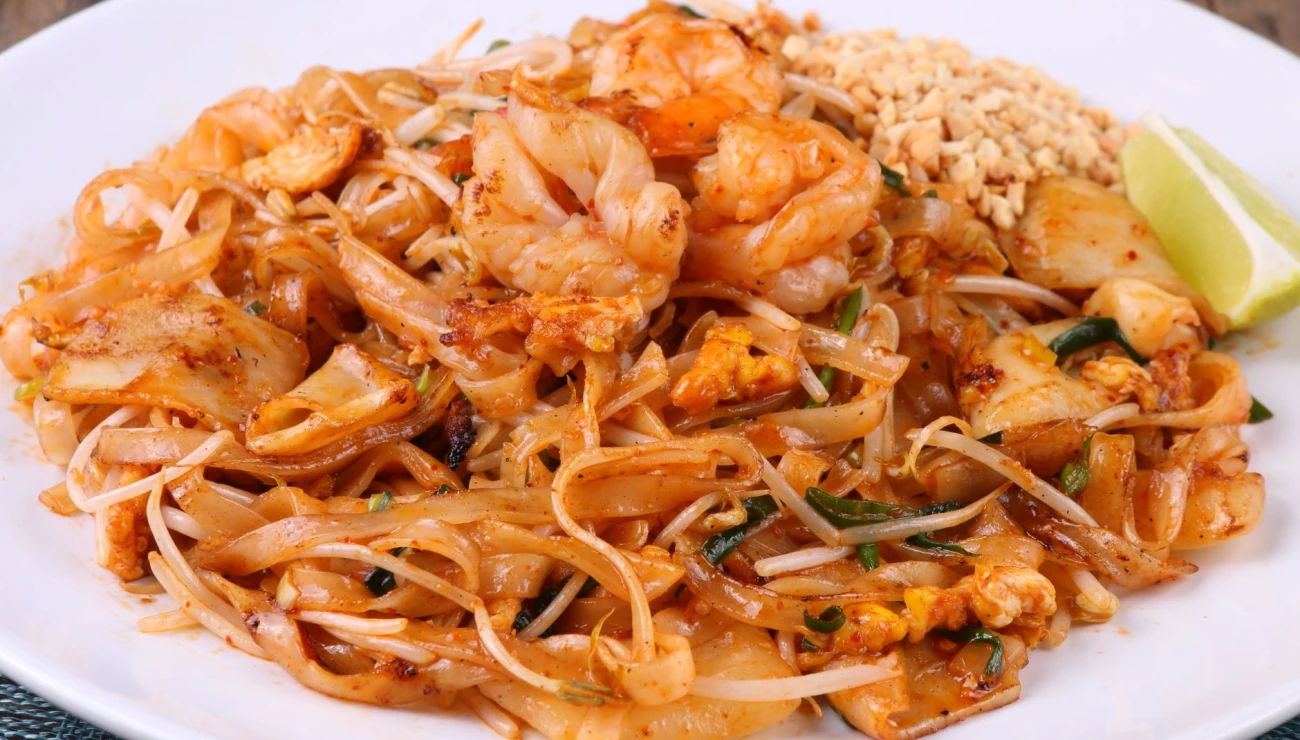
Discovering Thailand Through GI Products
The Tourism Authority of Thailand (TAT) has taken a unique approach to promoting the country's rich culinary heritage by launching a culinary map. This map shows five Geographical Indication (GI) products, each representing the distinct flavors and cultural heritage of their respective regions. These products, including Doi Chang Coffee from Chiang Rai and Sam Phran Aromatic Coconut from Nakhon Pathom, offer a window into the local traditions and production methods that define Thai cuisine.
By focusing on GI products, TAT aims to encourage travelers to explore Thailand's diverse regions through their culinary offerings. This initiative not only introduces visitors to authentic local foods but also supports regional tourism by promoting products with protected geographical status. The culinary map is evidence of Thailand's commitment to preserving its culinary heritage and showing the unique character of its communities.
Understanding Geographical Indication Products
Geographical Indication (GI) products are recognized for their quality and reputation, which are closely linked to their place of origin. In Thailand, these products play a significant role in showing the country's cultural diversity and agricultural traditions. For instance, the internationally recognized Doi Chang Coffee is celebrated for its rich flavor, a result of the unique climate and soil conditions of Chiang Rai.
The inclusion of GI products such as Chanthaburi Durian and Trang Roast Pork on the culinary map underscores the importance of regional specialties in Thailand's tourism strategy. By promoting these products, TAT not only boosts the local economy but also preserves the traditional techniques and knowledge that are passed down through generations.
Culinary Tourism: A Growing Trend
Culinary tourism is gaining momentum as travelers seek more immersive experiences that connect them with local cultures. In Thailand, food is an integral part of the cultural mix, and the culinary map serves as a guide for tourists eager to explore the country's gastronomic delights. The map encourages visitors to embark on culinary journeys that lead them to lesser-known destinations, thereby supporting local communities and promoting sustainable tourism.
This focus on culinary tourism aligns with global trends, where travelers are increasingly interested in experiences that offer a deeper understanding of local traditions and lifestyles. By showing GI products, Thailand positions itself as a destination for food enthusiasts looking to savor authentic flavors and engage with the country's rich culinary heritage.
Investment Opportunities in Thailand's Culinary Scene
For investors, the emphasis on GI products presents unique opportunities in Thailand's real estate and hospitality sectors. As culinary tourism continues to grow, there is potential for developing properties that cater to this niche market, such as boutique hotels and gourmet restaurants in regions known for their GI products.
Investors might also consider the potential of integrating culinary experiences into existing real estate developments. By offering culinary tours or cooking classes that highlight local GI products, real estate projects can appeal to a broader audience and enhance their attractiveness to international buyers.
Exploring the Buying Process in Thailand
For those considering investing in Thailand, understanding the buying process is crucial. Foreign investors can purchase property through freehold or leasehold agreements. While freehold ownership is typically restricted to condominiums, leasehold arrangements offer an alternative for other types of real estate. It's important for investors to conduct thorough research and engage with legal experts to work through the complexities of property ownership in Thailand.
Moreover, the introduction of initiatives like the culinary map can influence property values in regions associated with GI products. As tourism in these areas grows, so too does the demand for real estate, presenting potential for significant returns on investment.
In 2023, Thailand's emphasis on preserving culinary heritage through GI products not only enriches the travel experience but also opens doors for investors looking to capitalize on the country's active tourism industry.
0 Comments
- No comments found